

Agnostix Technologies

A connected Africa is affordable.

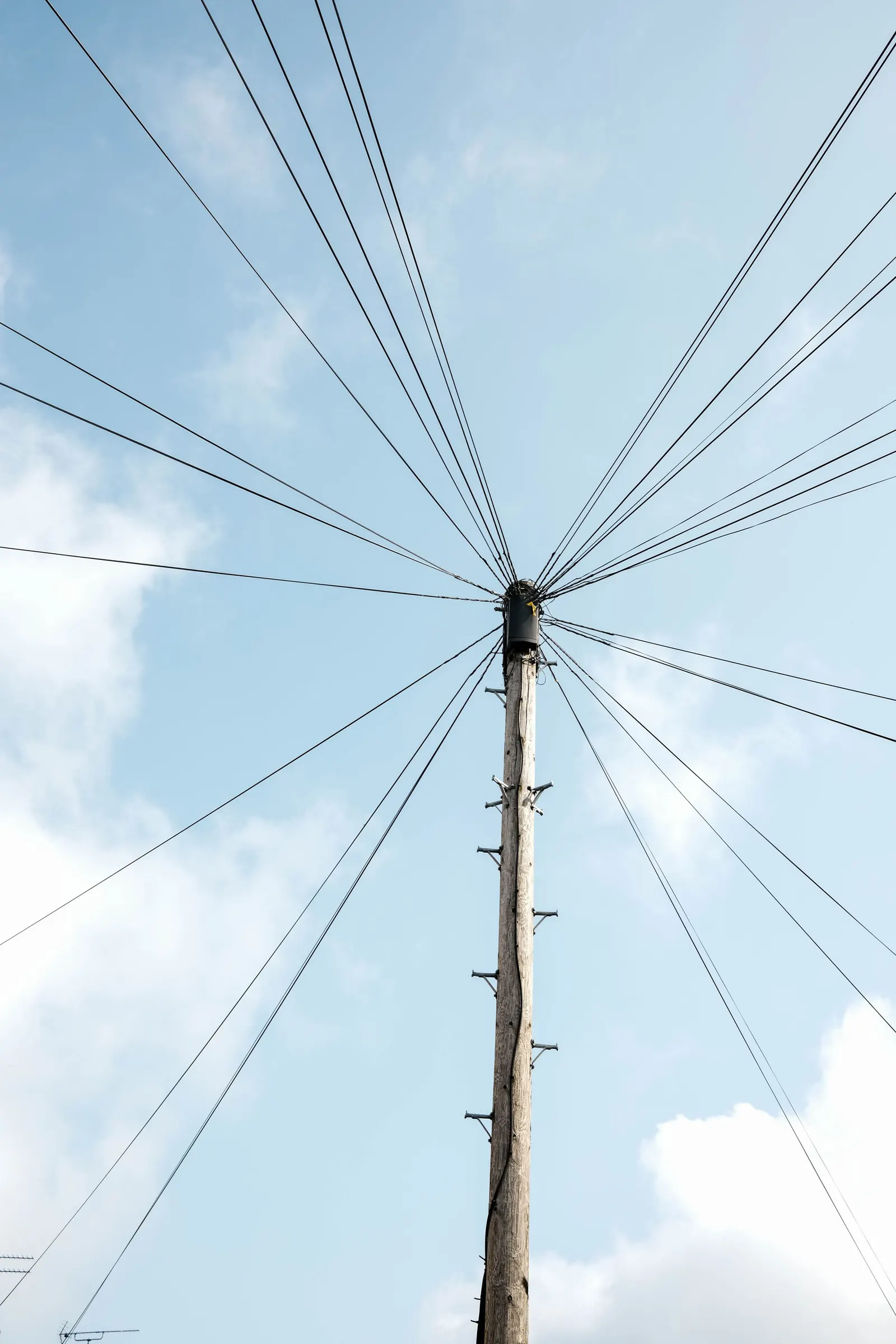
Connectivity here is not expensive because fibre is expensive. It is expensive because every ISP builds and runs everything twice: its own cable on the same pole, its own billing system, its own network operations centre (NOC), its own support desk.

Agnostix builds the software and licenses the platforms that remove that duplication. An ISP should spend its money on customers, not on overhead.

How the cost comes down

Three things bring the cost down. Each is a working system, not a slide.

  1. Field technician in a yellow hard hat checking a job on his phone

    01 · Lower the cost of connectivity

    One platform per ISP, priced per subscriber

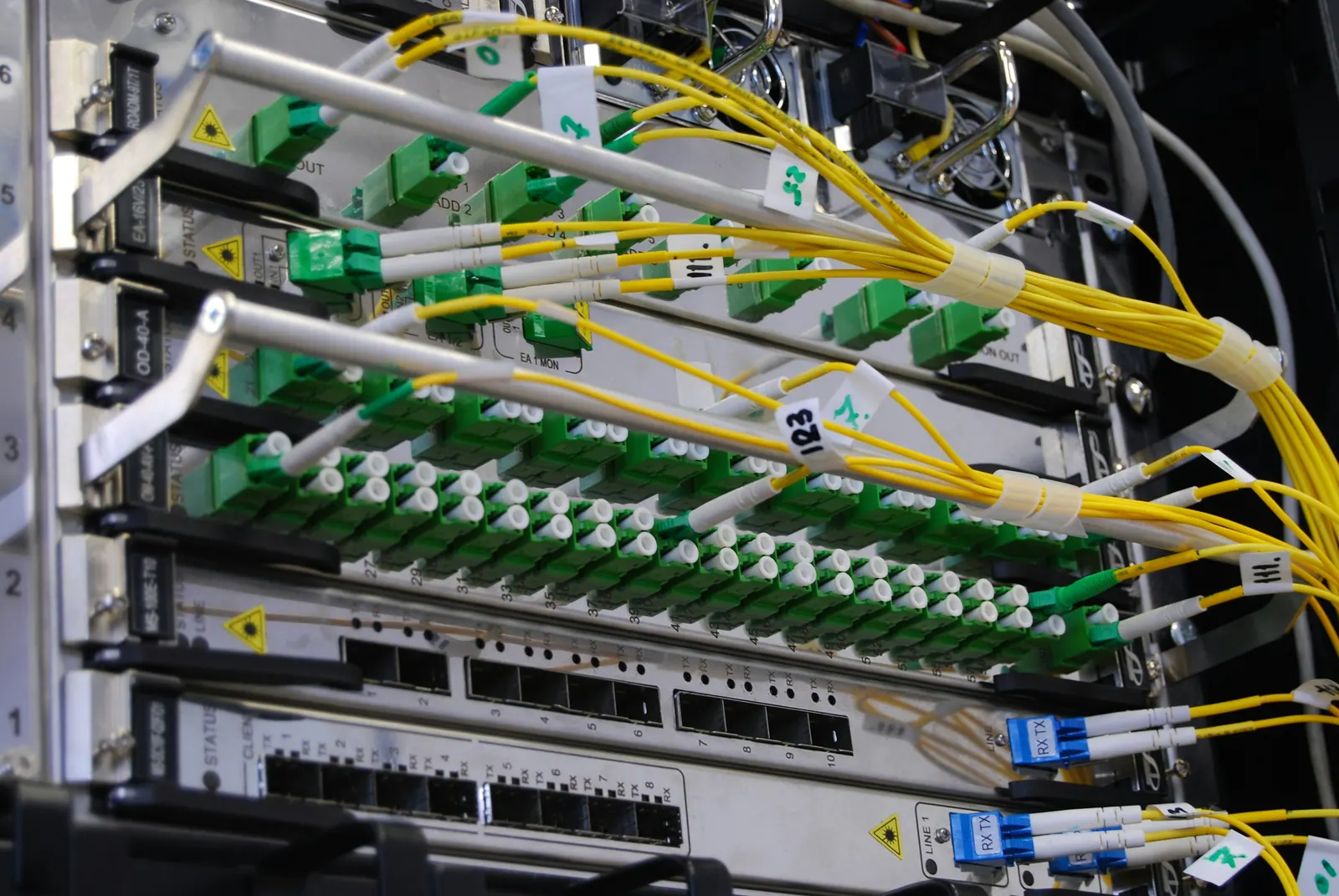
    SaidaLink runs billing, customer records, the NOC, device management and support from one console. M-Pesa and other mobile money, PPPoE over RADIUS, and Huawei, ZTE and FiberHome OLTs are all handled in one place. It is priced per subscriber, so the ISP's overhead per customer falls as it grows.

    Operating live in over 10 countries in Africa.

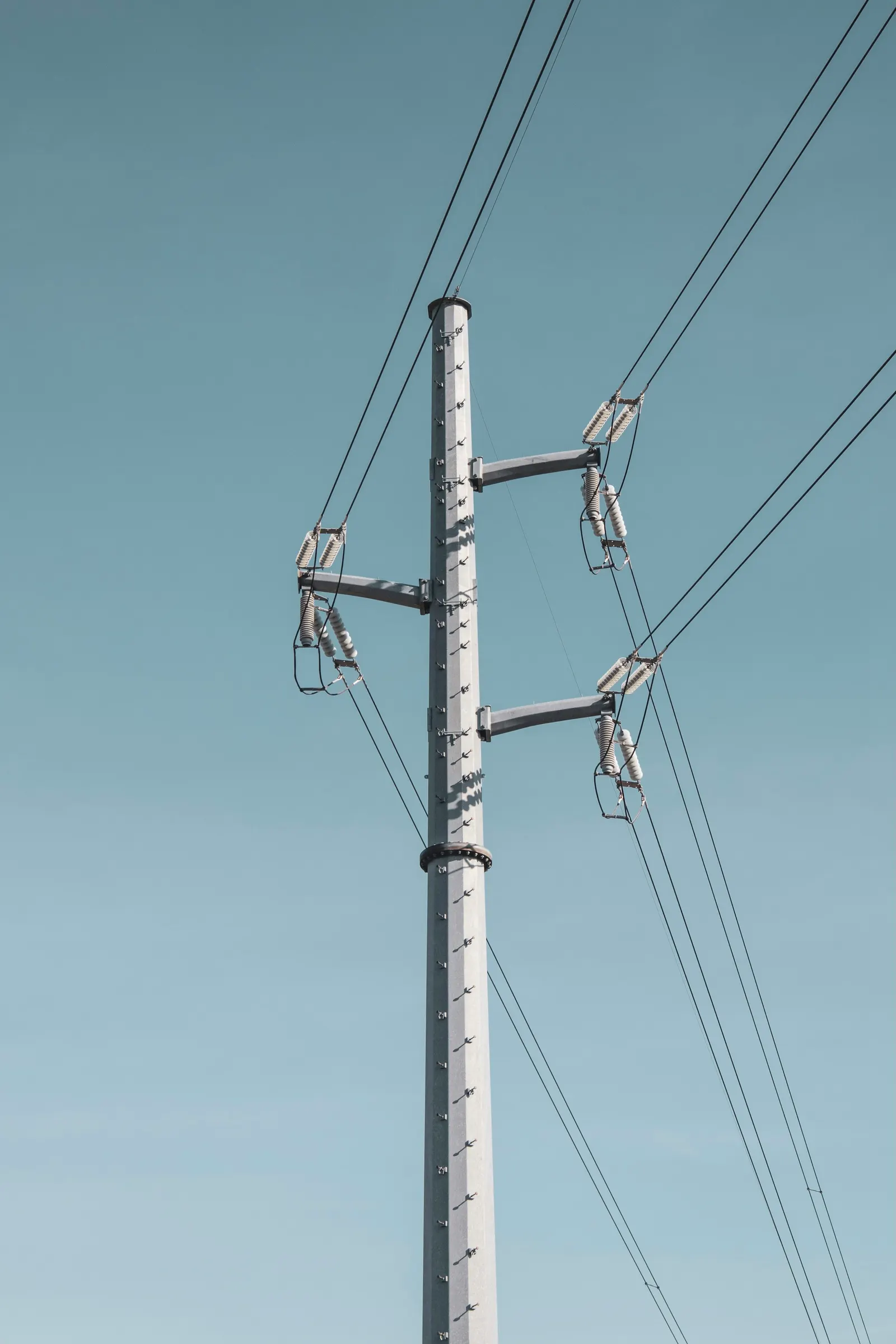
  2. Single concrete pole carrying a few cleanly tensioned lines against a pale sky

    02 · Share infrastructure

    One network, many providers

    LitSpan Africa runs open-access fibre. One party owns and lights the fibre, and many providers sell over it. An ISP brings its brand and its customers, and plugs in at the network edge: no trenching, no OLTs, no NOC to staff. Each provider is kept separate at the network layer, so no one can see or claim another provider's customers.

    Built by a team that has delivered open-access systems for companies around the world. The LitSpan network itself is still coming up.

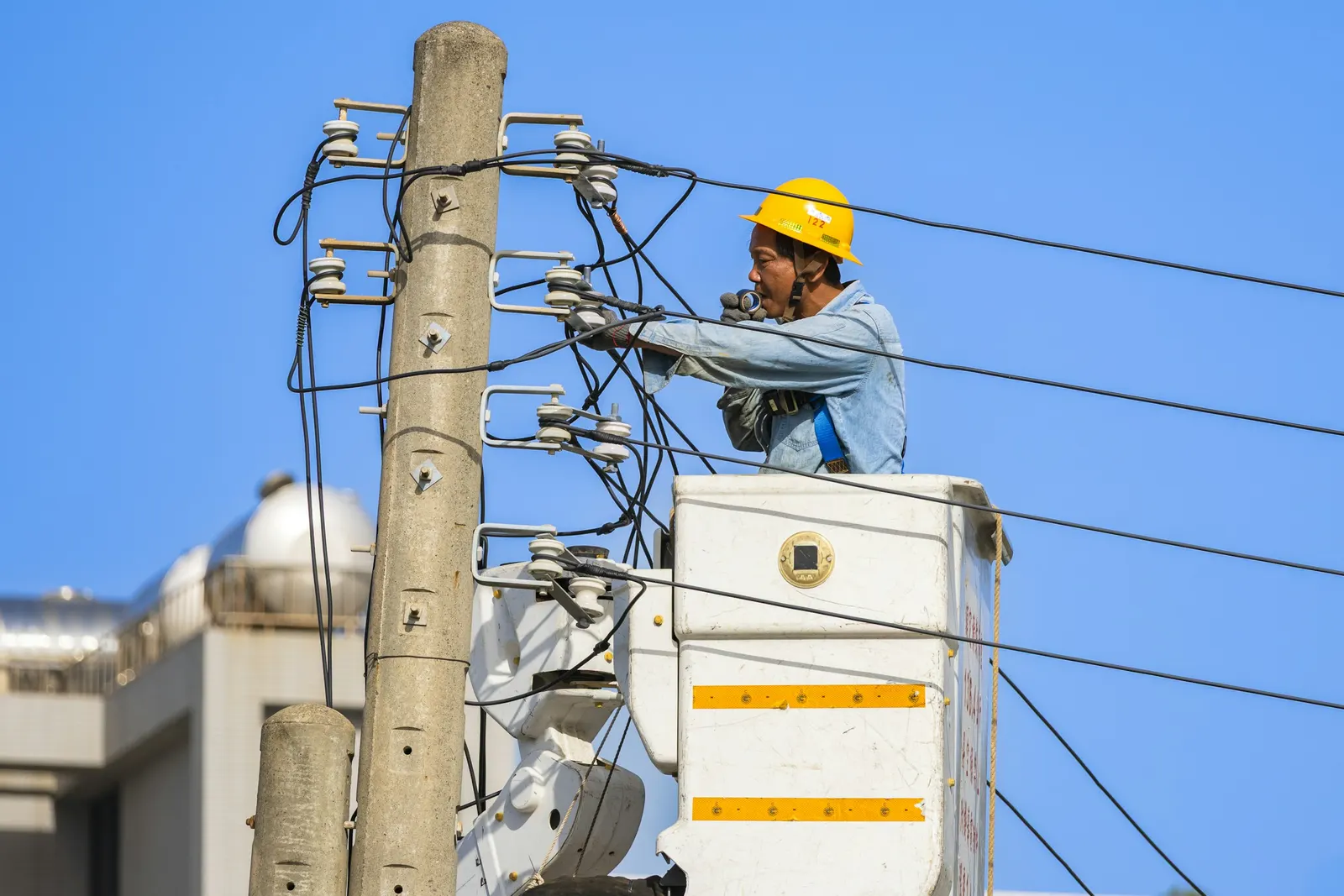
  3. Line technician in a bucket lift working on a wooden pole's crossarms

    03 · Manage what is built

    Managed infrastructure stays cheap

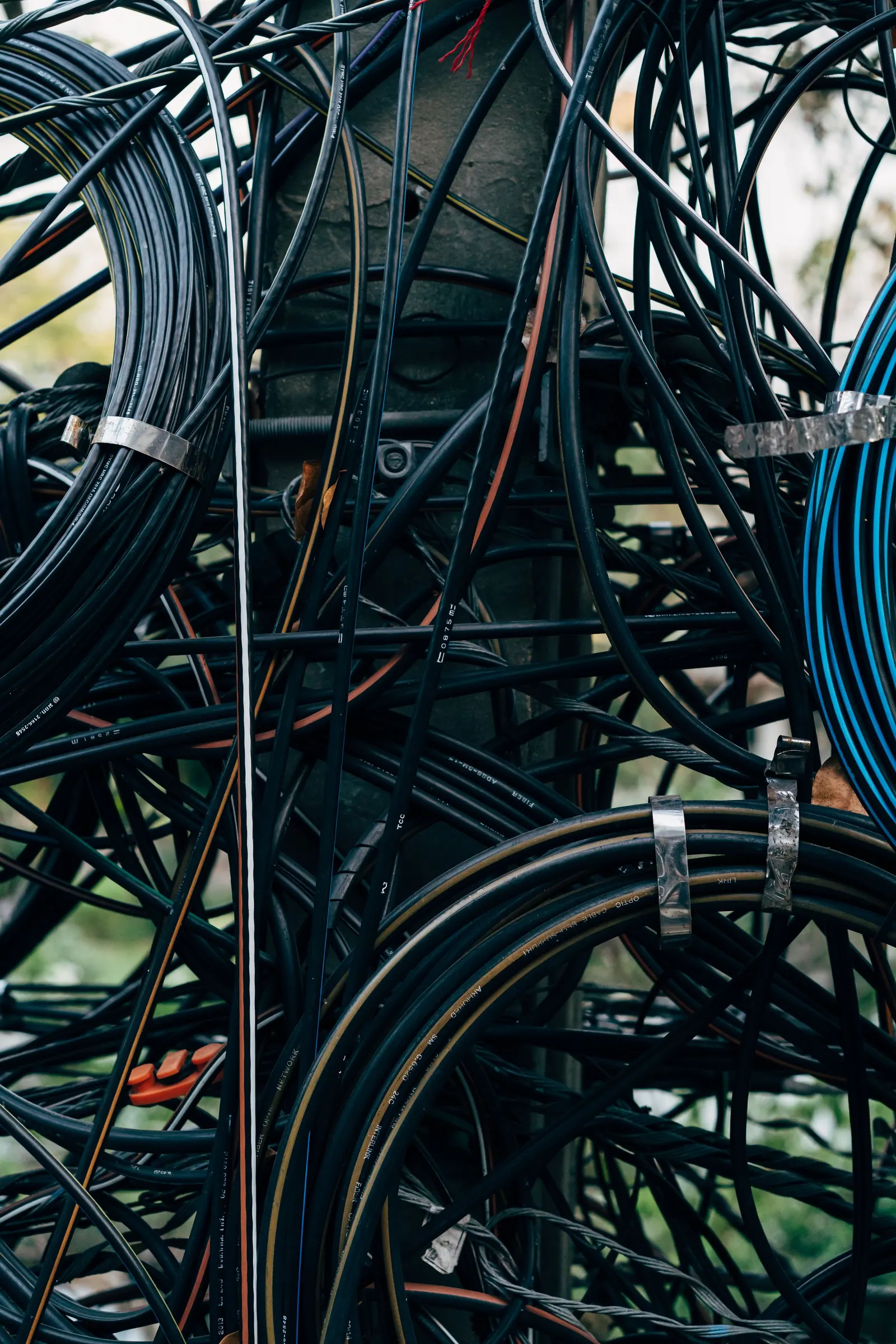
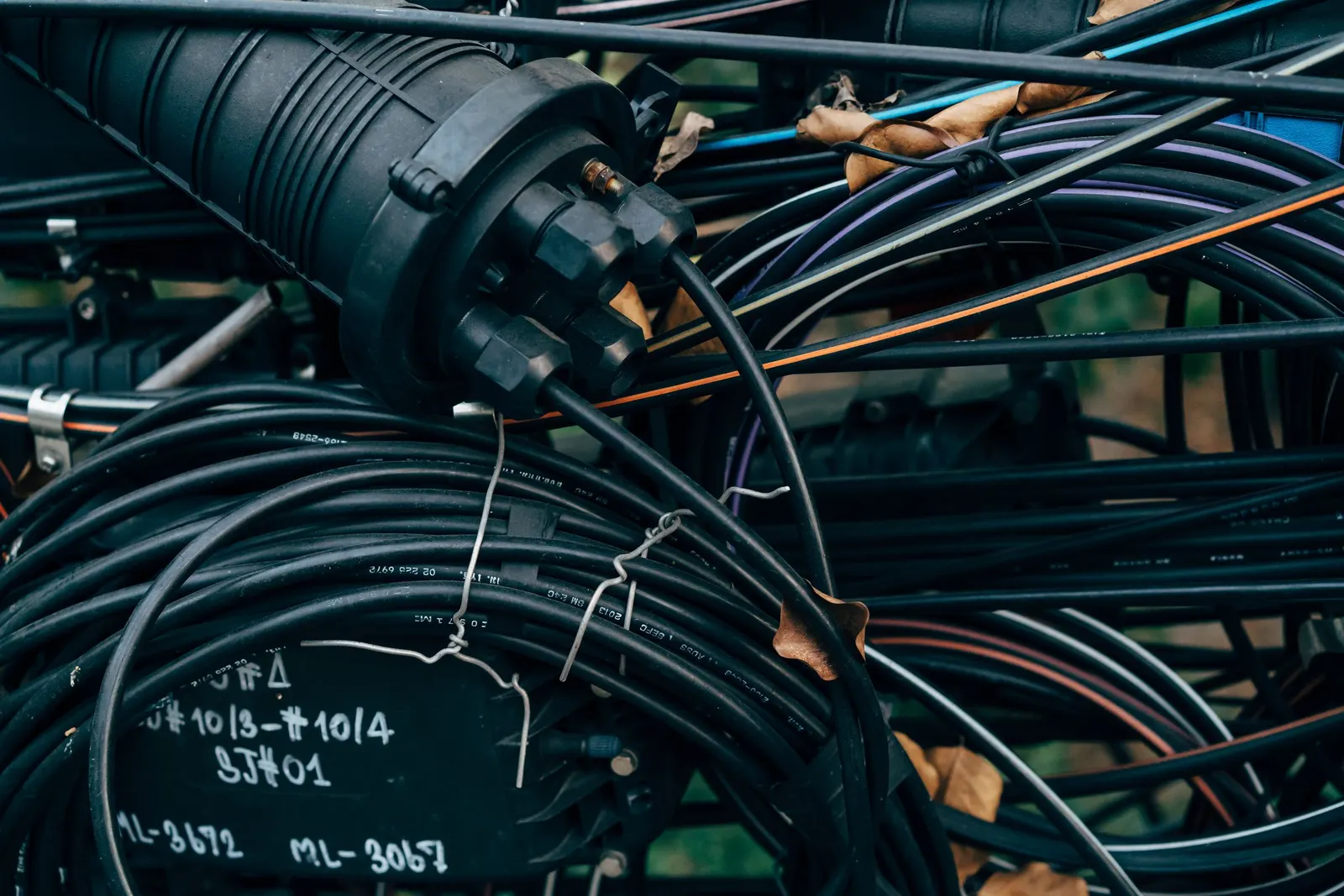
    Clean poles. Documented closures. Every serial number accounted for. Plant audited in SaidaOSP, optical levels watched from the NOC. A network nobody records is a network nobody can repair cheaply.

SaidaAISaidaAI

SaidaAI

The engine inside the network.

SaidaAI is built into SaidaLink and LitSpan Africa, not bolted on as a chat window. It works from the same subscriber record as billing and the NOC, so it answers with what is actually true about the line.

  • Support

    Answers subscribers over WhatsApp, SMS, web chat and voice, in more than 15 languages including Swahili. It checks the account and the line, and hands off to a person with the full thread.

  • NOC

    Groups related alarms so one fault does not become fifty tickets. It links an outage to the OLT port and the customers behind it, and drafts the outage notice for the NOC to approve.

  • Billing

    Sends the mobile-money payment prompt inside the conversation, and suggests the likely account for a payment it cannot place. Finance confirms.

  • Provisioning

    Checks an ONU registration against the OLT and tells the technician what is wrong before they leave the site.

Each operator's data stays with that operator. SaidaAI is metered per tenant and runs on Azure AI Foundry.

How SaidaAI is plugged in

The platforms

Insights

Notes from building and running networks in Kenya: what poles, closures, tickets and payments actually cost, and what changes when they are shared or managed properly.

All insights